


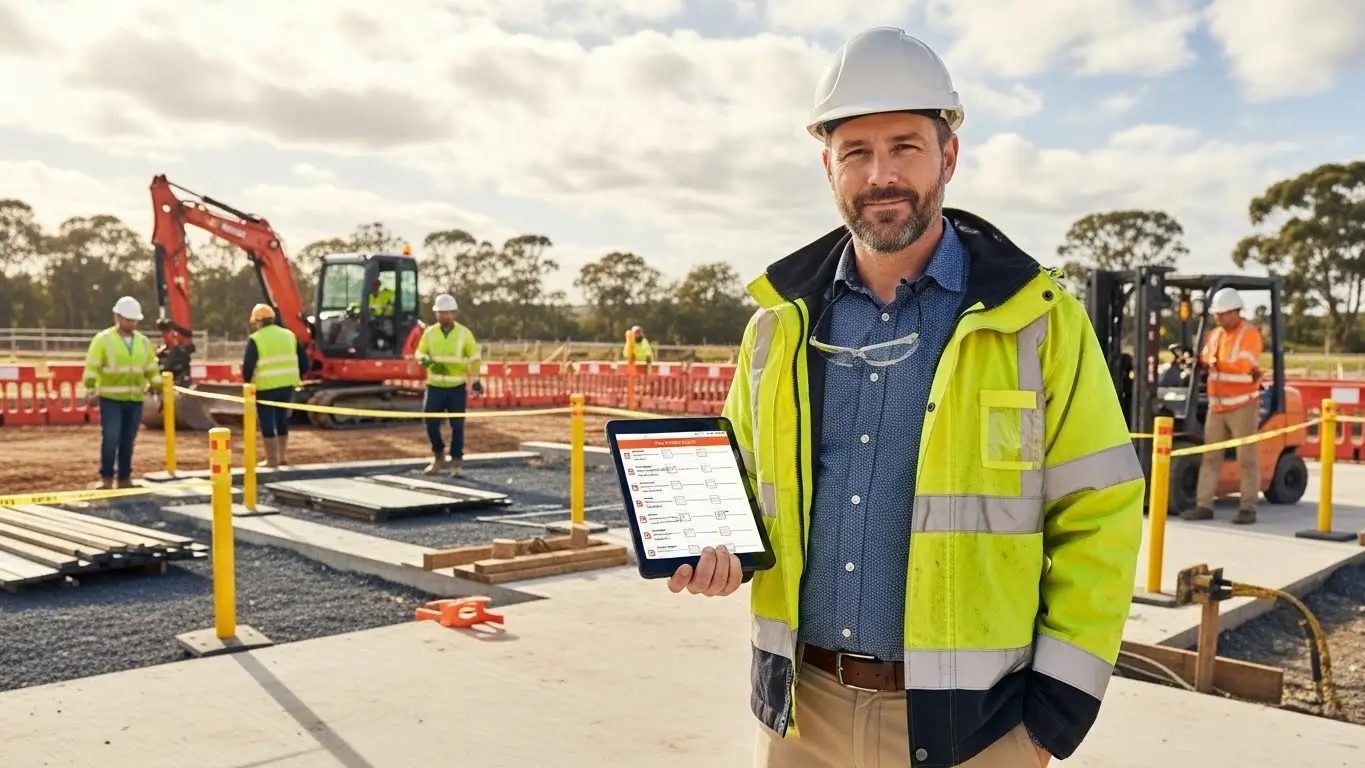
I still recall the distinct, metallic smell of the grinding workshop at a shipyard in Dubai where I cut my teeth as a junior supervisor. I walked in to find a veteran fabricator using a grinder without a guard, sparks showering onto a pile of oily rags nearby. When I stopped him, he looked at me with genuine confusion—he had been doing it that way for twenty years. That moment defined my career: a Safety Supervisor does not just monitor compliance; we are in the business of rewiring human behavior and disrupting dangerous habits before they become statistics.
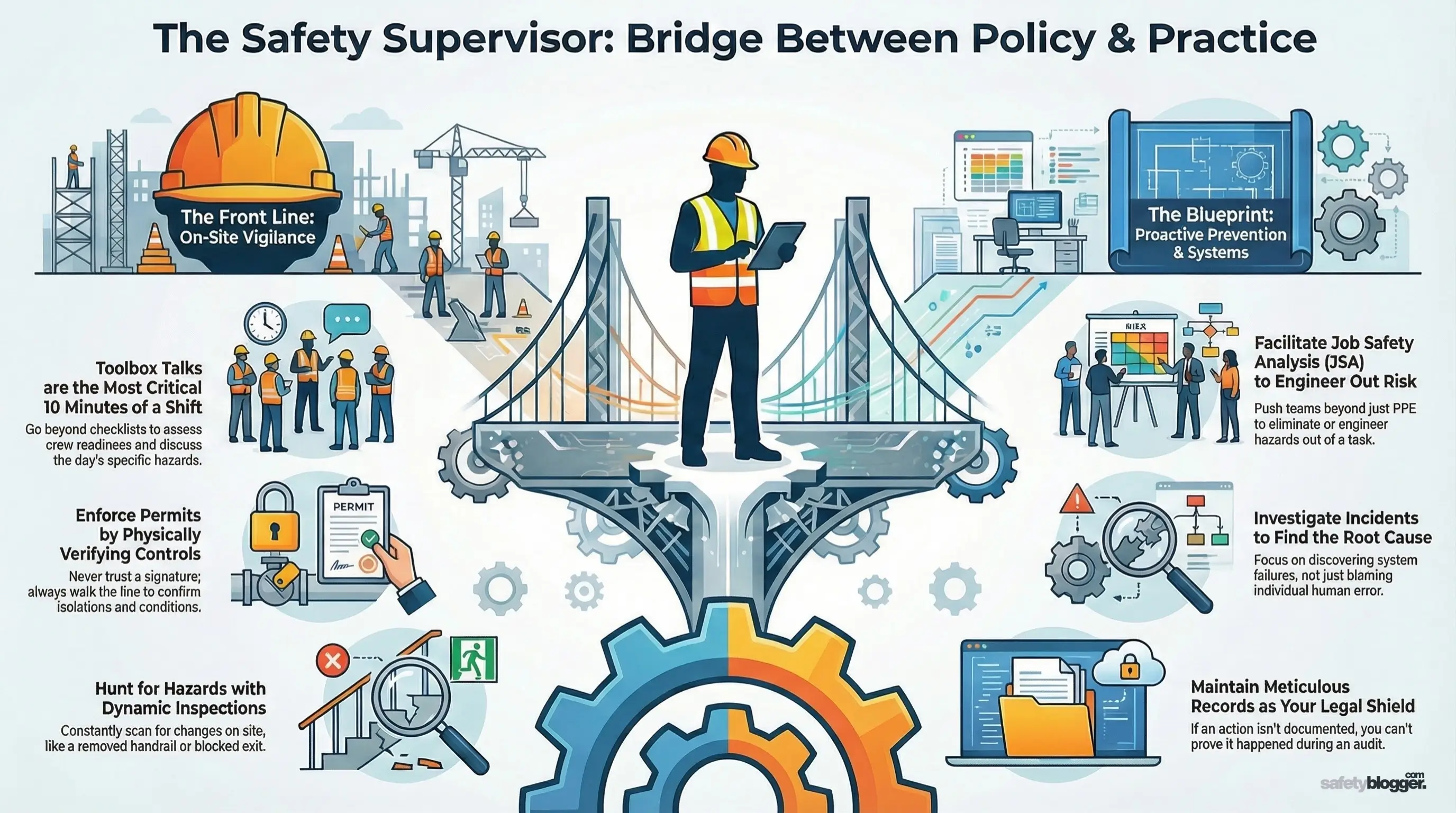
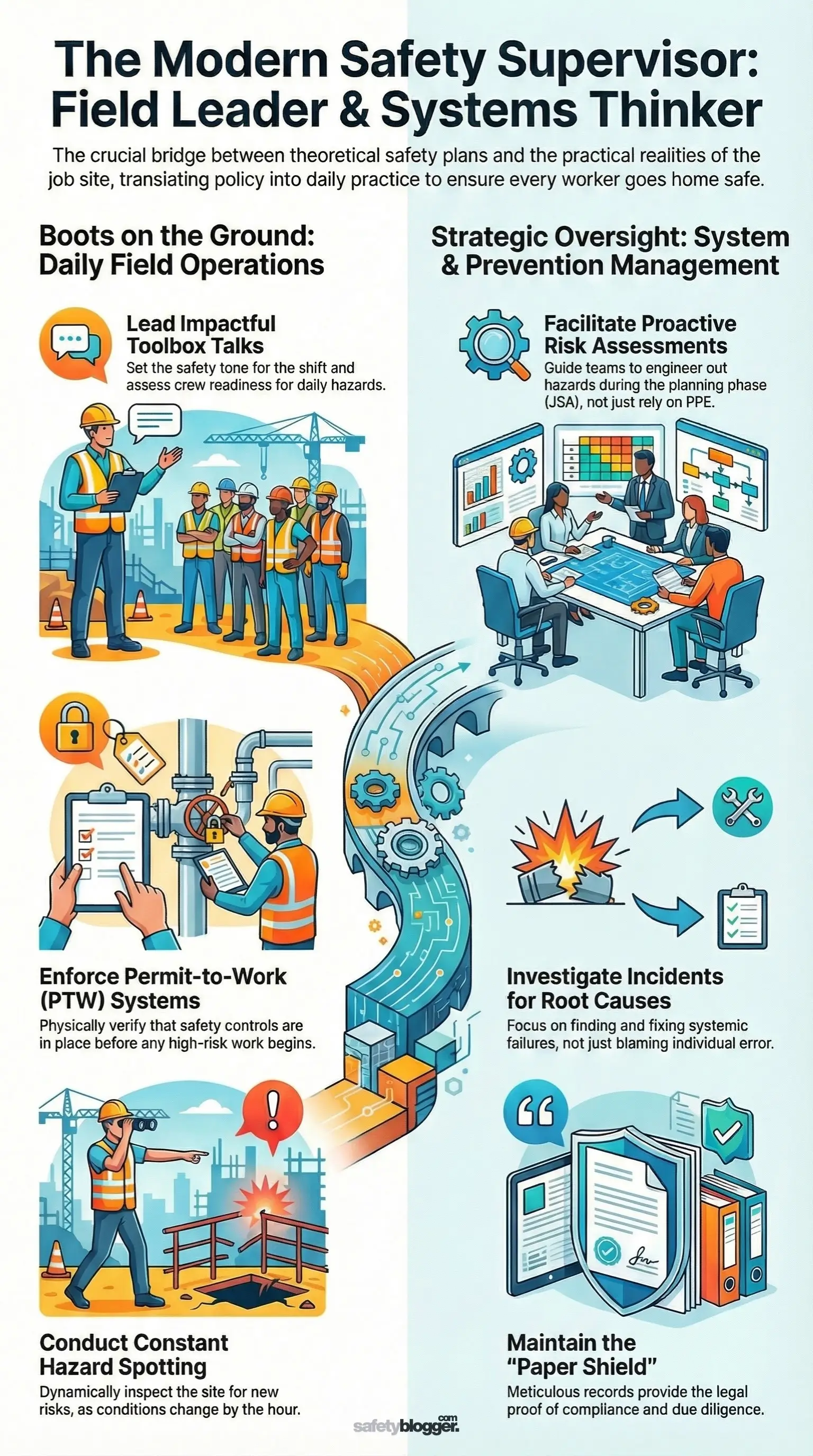
Being a Safety Supervisor is the bridge between the theoretical safety management system (SMS) and the muddy boots on the ground. You are the person who translates "ISO 45001 Clause 8.1" into "Put your harness on correctly." This article expands on the 15 core responsibilities that define this role, breaking down exactly what you need to do—day in and day out—to keep your site compliant, your conscience clear, and your people alive.
Operational Control and Daily Monitoring
The battlefield for a Safety Supervisor is the site itself. If you are spending more than 20% of your time in an air-conditioned office, you are missing the real risks.
1. Conducting Effective Toolbox Talks (TBTs)
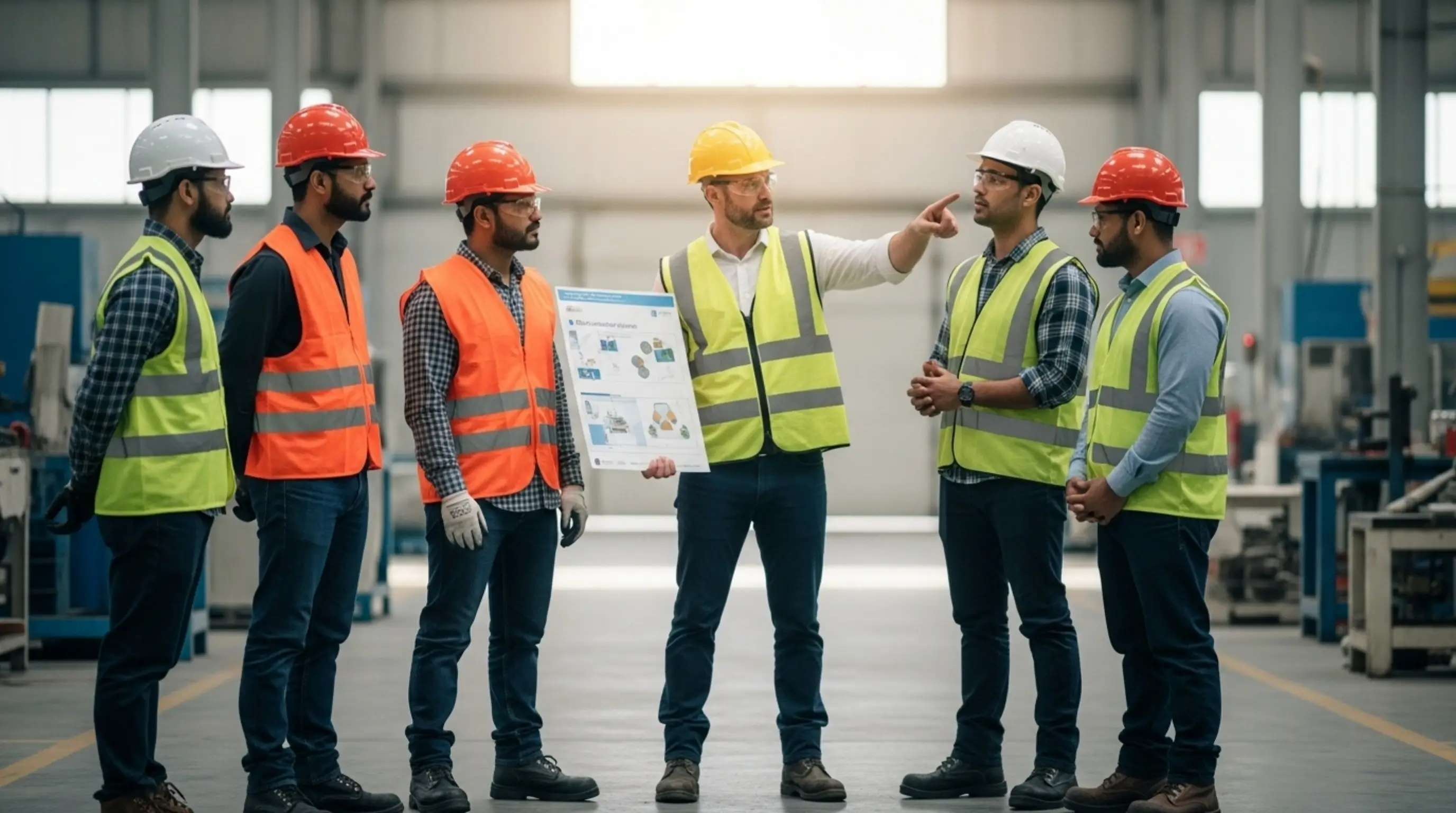
A TBT is the most critical ten minutes of the shift. It is my job to ensure this isn't just a "tick-box" exercise where workers sign an attendance sheet while staring at their phones. I use this time to assess the physical and mental readiness of the crew—looking for signs of fatigue, illness, or distraction—and to align everyone on the specific hazards of the day's tasks.
Review the specific Job Safety Analysis (JSA) relevant to the day's work, not a generic topic.
Check for language barriers to ensure every worker, regardless of nationality, understands the hazards.
Encourage two-way communication, asking open-ended questions like "How would you handle this risk?" rather than just lecturing.
Verify attendance records are signed immediately to maintain a legal record of instruction.
2. Enforcing Permit to Work (PTW) Compliance
The Permit to Work is the legal contract for safety on site. My responsibility is to be the "eyes" of the permit issuer. I never trust a signature blindly; I physically walk the line to verify the controls are in place. If the permit says "Gas Test Required," I want to see the gas detector reading zero before I let anyone enter.
Verify isolation points (LOTO) are physically locked and tagged before work begins.
Check atmospheric conditions for confined space entries or hot work areas.
Ensure supporting documents (rescue plans, lifting plans) are attached to the permit.
Close out permits properly at the end of the shift to prevent unauthorized work continuation.
3. Site Inspections and Hazard Spotting
I conduct dynamic inspections, which means I am constantly scanning for "change." A site changes every hour—scaffolding goes up, trenches get deeper, and cables get moved. My duty is to catch the hazards that weren't there an hour ago, like a removed handrail or a blocked emergency exit.
Identify tripping hazards such as trailing cables, debris, or uneven ground.
Check working at height safeguards, ensuring toe boards and mid-rails are intact.
Monitor housekeeping standards, ensuring waste is segregated and walkways are clear.
Inspect electrical panels to ensure they are closed, locked, and free from temporary tape joints.
4. PPE Compliance and Suitability
Enforcing PPE is not just about counting hard hats; it is about "suitability." I have seen workers wearing dust masks for protection against welding fumes—totally useless. My job is to ensure the gear matches the specific hazard and that workers know how to wear it, clean it, and store it.
Check expiration dates on hard hats and safety harnesses.
Verify filter types on respiratory protection (e.g., ensuring organic vapor cartridges are used for painting).
Inspect eye protection to ensure it is rated for impact (ANSI Z87+ or equivalent).
Monitor hearing protection usage in high-noise zones, ensuring earplugs are actually inserted, not just resting in the ear canal.
Contractor and Subcontractor Management
Subcontractors often work under tighter margins and tighter schedules, which creates a breeding ground for shortcuts. I treat them exactly as I would my own employees—safety has no double standards.
5. Verifying Subcontractor Competency
I act as the gatekeeper. Before a subcontractor is allowed to perform high-risk work, I validate their credentials. It is common to find "certified" riggers who cannot read a load chart. I spot-check their knowledge in the field to ensure their competency card represents actual skill.
Audit individual certifications for crane operators, scaffolders, and welders.
Check third-party inspection stickers on all heavy machinery brought to site.
Review training records to ensure induction and specific hazard training are current.
Interview supervisors to gauge their understanding of the site's safety management system.
6. Managing Simultaneous Operations (SIMOPS)
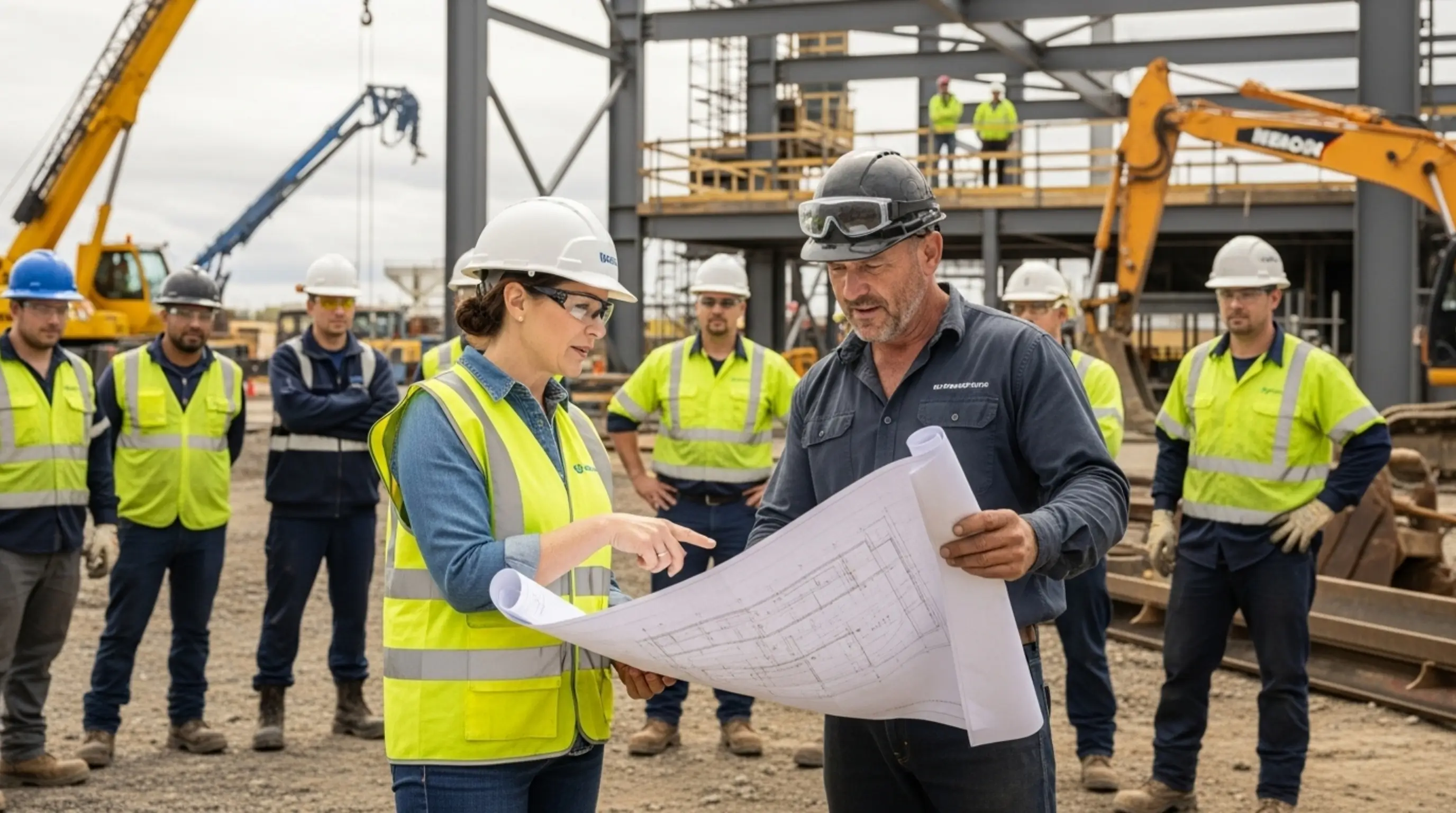
On a busy project, you might have a crane lifting steel directly above a trench where pipelayers are working. This is a fatality waiting to happen. My role is to be the traffic controller, ensuring these conflicting activities are de-conflicted through scheduling or physical barriers.
Coordinate daily meetings between different trade supervisors to align schedules.
Establish exclusion zones using rigid barriers to separate conflicting work groups.
Manage communication channels, ensuring crane operators and ground crews are on different radio frequencies.
Authority to stop work if two activities drift too close to one another.
7. Machinery and Equipment Audits
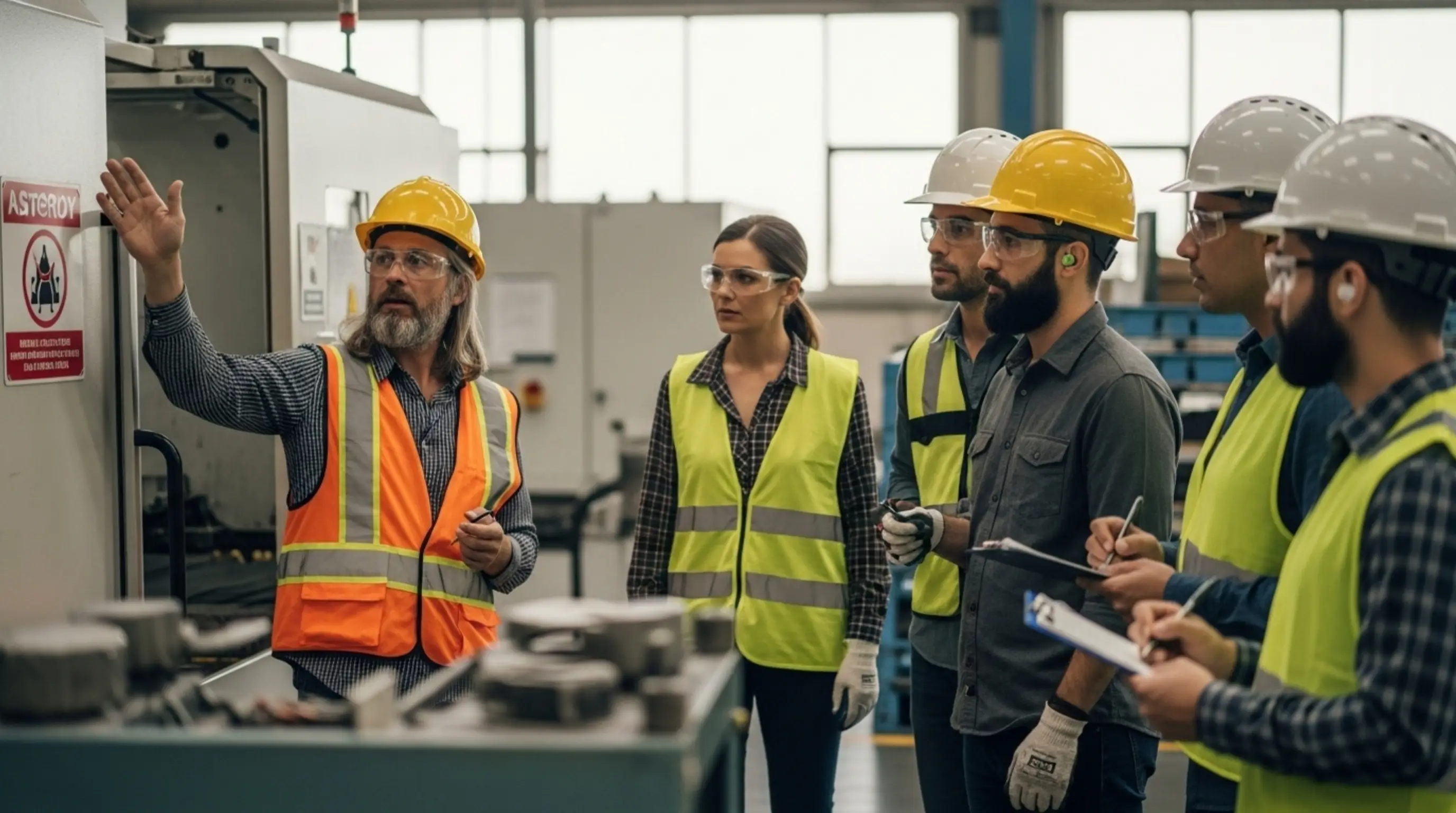
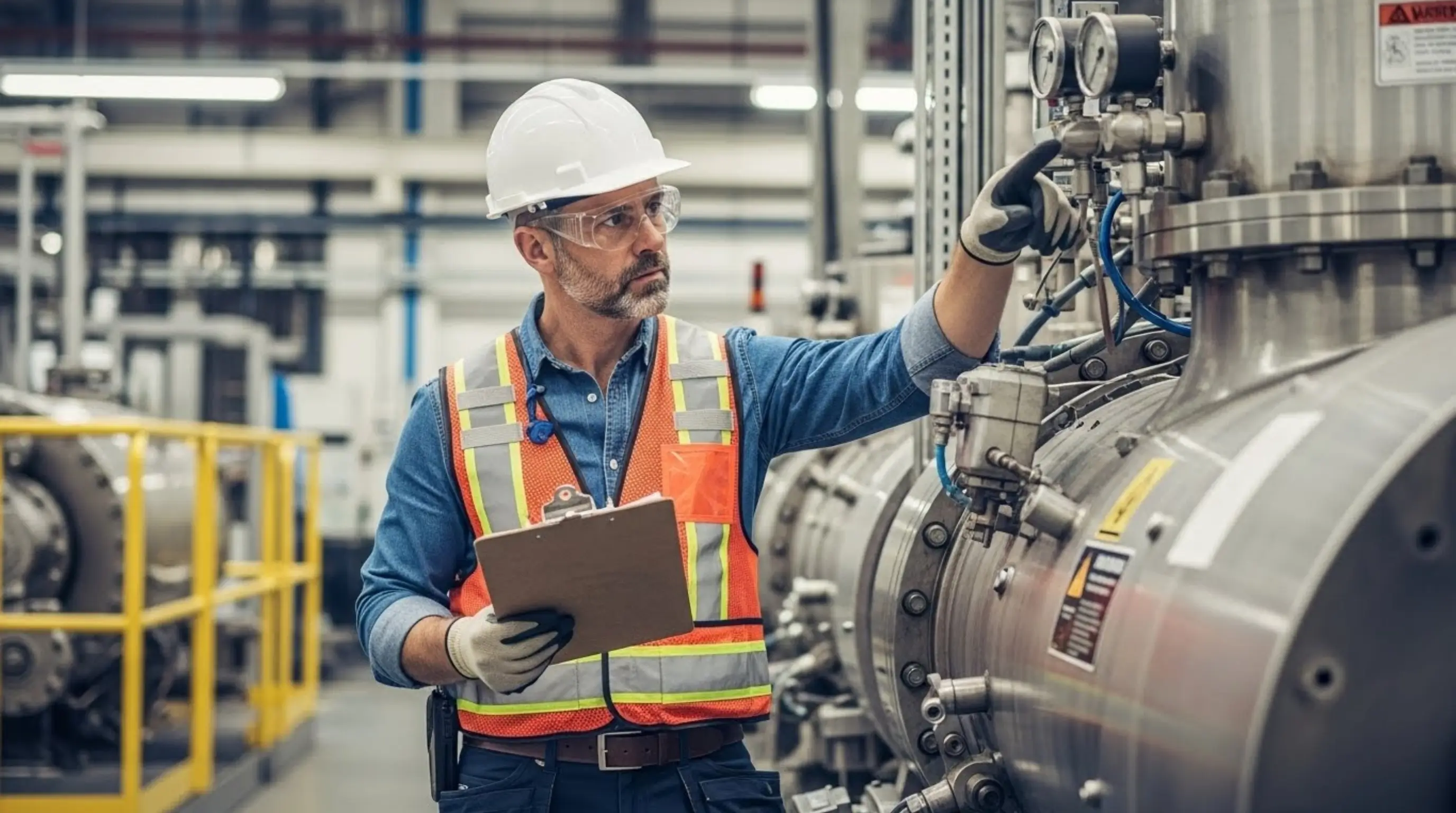
I don't rely on the operator's word that "everything is fine." I perform spot checks on plant and machinery. I look for the hidden issues: the bypassed limit switch, the leaking hydraulic hose, or the frayed wire on the power tool.
Test safety devices like emergency stops, reversing alarms, and anti-two-block devices on cranes.
Inspect lifting gear (shackles, slings, hooks) for color-coding and signs of wear.
Check maintenance logs to ensure daily pre-start checks are actually being completed, not just ticked off.
Tag out defective equipment immediately with a "Do Not Operate" tag.
Risk Assessment and Incident Prevention
This is the analytical side of the job. It involves looking at the work before it starts and asking, "What if?"
8. Facilitating Job Safety Analysis (JSA)
I facilitate the JSA process to ensure we are not just relying on PPE (the weakest control). I push the team to use the Hierarchy of Controls. Can we eliminate the risk? Can we engineer it out? The JSA is a living discussion, not a static form.
Break down the job steps into a logical sequence (e.g., mobilize, setup, execute, demobilize).
Identify specific hazards for each step (e.g., pinch points, gravity, chemical release).
Assign mitigation measures that are actionable and specific (e.g., "Use tag line" vs. "Be careful").
Communicate the JSA to all crew members and get them to sign onto it.
Pro Tip: If the JSA looks pristine and clean, it probably wasn't used in the field. A good JSA should have grease on the edges and notes scribbled in the margins.
9. Accident and Near-Miss Investigation
When an incident occurs, I switch into investigator mode. My goal is to determine the root cause (usually a system failure), not just the immediate cause (usually human error). I ensure the scene is preserved and that we capture the fleeting evidence that disappears quickly.
Secure the scene to prevent tampering or removal of evidence.
Gather witness statements immediately while memories are fresh.
Photograph the area from multiple angles, including equipment settings and environmental conditions.
Analyze the "Why" using techniques like "5 Whys" to get to the systemic issue.
10. Promoting Behavior-Based Safety (BBS)
I focus on the "why" behind the behavior. If a worker is rushing, is it because of pressure from their foreman? If they are not wearing gloves, is it because the gloves provided are too bulky? I use BBS observations to identify these trends and correct the system, not just blame the worker.
Conduct observation tours focusing purely on people's actions, not conditions.
Provide immediate feedback: positive reinforcement for safe acts, coaching for unsafe acts.
Track trends (e.g., "80% of unsafe acts this week were related to manual handling").
Empower workers to stop work if they feel unsafe without fear of retribution.
11. Fire Safety and Emergency Preparedness
I ensure that if the worst happens, the site is ready. This means checking that the "hardware" (extinguishers, alarms) works and the "software" (people, drills) is programmed correctly. I am often the one timing the evacuation drill and checking if the headcount matches the daily register.
Inspect fire extinguishers monthly for pressure, seal integrity, and accessibility.
Verify emergency routes are lit, signed, and unlocked.
Organize mock drills for different scenarios (fire, chemical spill, man down).
Check spill kits are fully stocked and located near chemical storage areas.
Administrative and Regulatory Duties
Documentation is the shield that protects the company and the safety team during audits or legal inquiries.
12. Maintaining HSE Records and Registers
I manage the paper trail that proves we are compliant. This involves keeping meticulous records of everything from tool inspections to training attendance. In a court of law, if you cannot produce the record, you cannot prove you did the work.
Update the risk register when new hazards are identified or scope changes.
File inspection reports chronologically for easy retrieval during audits.
Track corrective actions to closure—an open action item is a liability.
Maintain statutory registers for lifting equipment and pressure vessels.
13. Training and Mentoring
I don't just enforce; I teach. I identify the weak spots in the team's knowledge and fill them. Whether it's a formal session on "Working at Heights" or a casual chat about hydration, my goal is to build competence.
Deliver induction training for all new arrivals to site.
Identify training gaps (e.g., a crew using new chemicals needs HazCom training).
Mentor safety representatives to be effective eyes and ears on the ground.
Verify understanding through quizzes or practical demonstrations.
14. Chemical Substance Management (COSHH)
I manage the chemical risks on site. I ensure that every bucket of paint, drum of oil, and canister of gas is accounted for and handled safely. I make sure the Safety Data Sheet (SDS) is not just in a folder in the office, but available where the chemical is being used.
Maintain the master chemical inventory for the site.
Ensure Safety Data Sheets (SDS) are current (usually <5 years old) and accessible.
Check storage conditions: proper ventilation, segregation of incompatibles, and bunding.
Verify spill response readiness, ensuring the right absorbent materials are nearby.
15. Disciplinary Enforcement
Sometimes, coaching isn't enough. When I see willful violations—like a worker unclip their harness at 20 meters up "just for a second"—I have to be the bad guy. I apply the "Just Culture" model: fair but firm.
Issue verbal warnings for minor, first-time infractions (documented).
Issue written violations for serious or repeated breaches.
Recommend site removal for zero-tolerance violations (fighting, alcohol, gross negligence).
Maintain impartiality, ensuring the rules apply to the Project Manager just as they do to the laborer.
Conclusion
The Safety Supervisor is the conscience of the job site. We are often the only ones pushing the brakes when everyone else is stepping on the gas. It is a role that demands thick skin, sharp eyes, and an unwavering commitment to the value of human life.
When I look back at the projects I have covered, I don't count the hours worked or the concrete poured. I count the number of serious incidents we prevented. By mastering these 15 responsibilities—from the tactical grit of a Toolbox Talk to the analytical rigor of an investigation—you ensure that the most important metric of all is achieved: everyone goes home to their families, every single day.

Comments
Loading...